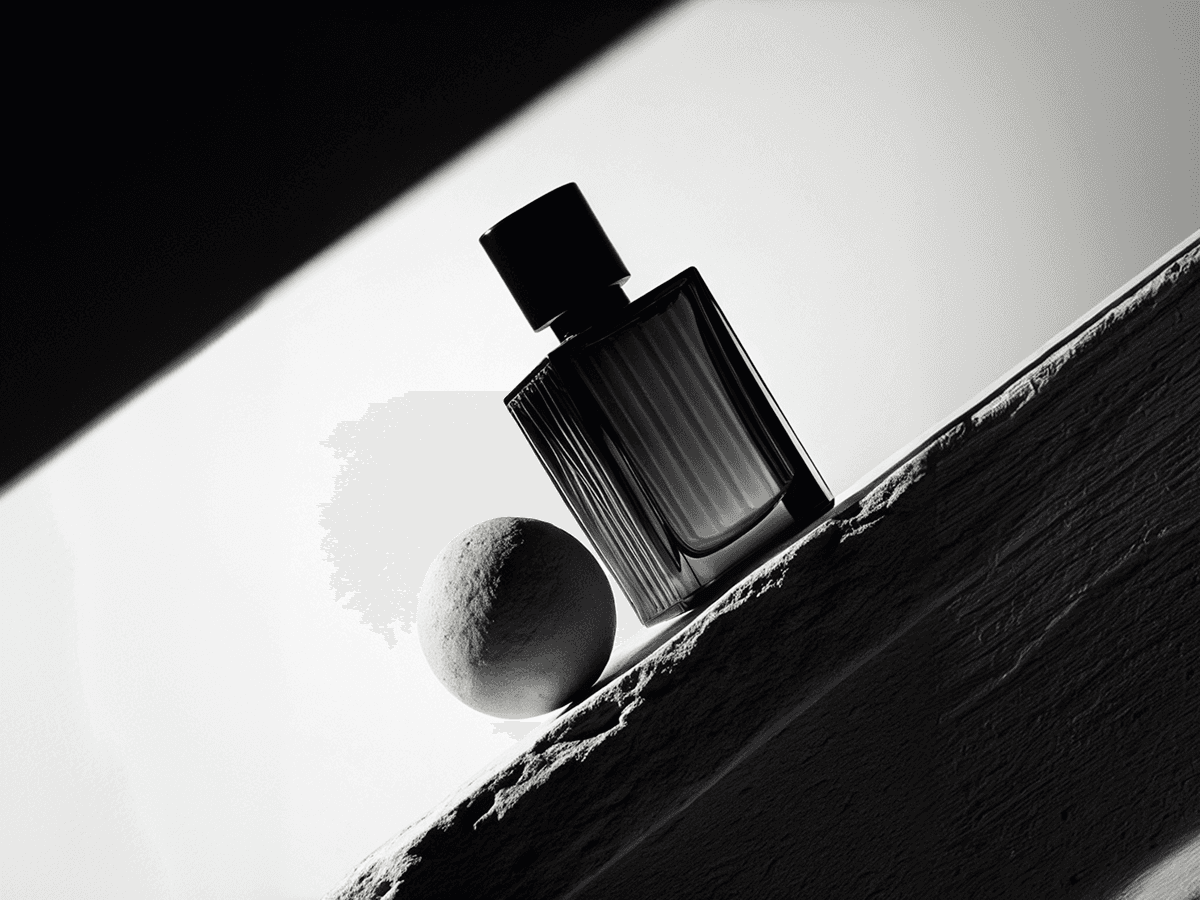
Stillness Creates Presence
Designing identity through contemporary fashion clothing.
Creative Thinking
•
•
7 min read

"The quietest environments often leave the strongest emotional impressions."
Quiet Invites Focus
Minimal surroundings reduce sensory distraction and allow attention to settle naturally. Calm visual environments help creative ideas develop with greater intention, balance, and emotional awareness, fostering deeper focus.
Space Creates Distance
Open visual landscapes encourage slower observation and thoughtful reflection. Spacious environments help reduce mental fatigue while improving concentration, perspective, and emotional responsiveness naturally and effortlessly.
Environmental Impact Analysis
Metric | Stimulating Space | Quiet Environment |
|---|---|---|
Avg. focus duration | 2.9m | 6.8m |
Mental fatigue | 74% | 29% |
Creative consistency | 1.0× | 2.3× |
Completed concepts | 6.7k | 19.2k |
Emotional comfort | 48% | 94% |
Stillness Supports Creativity
Calm visual environments improve creative thinking by reducing sensory overload while strengthening emotional awareness, concentration, and thoughtful decision-making across modern creative workflows today, enhancing overall productivity.
Presence Feels Quiet
The most meaningful experiences rarely compete for attention loudly. Quiet visual presence often creates deeper emotional resonance, stronger reflection, and more memorable creative experiences today, inspiring lasting personal growth.
"Stillness is not emptiness. It is space for meaning to emerge."
Key Takeaways
Quiet improves focus
Space encourages reflection
Stillness reduces overload
Calm strengthens creativity
Presence feels intentional
Share this to: